
Moving around the triangle
The humble triangle, considered by many to be the strongest shape in nature.
The three points of a triangle make a great model for a modern, progressive accounting firm.
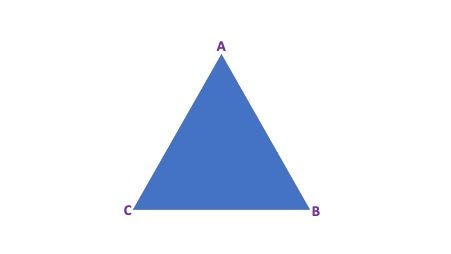
The humble triangle, considered by many to be the strongest shape in nature.
The three points of a triangle make a great model for a modern, progressive accounting firm.
At the apex (A) we have leadership: the vision, guidance, influence, direction, plan and role model for the business.
Bottom right (B) we have the internal management: the organisation, teams, systems and processes that produce the firm’s output.
Bottom left (C) we have the external management: the brand, client relationships and marketing strategies that grow the firm.
Focusing your management strategies on these three points is essential to the good running and development of your firm. Hence the triangular model and the reason why we use it as the structure for the professional business model that we advocate.
But three points on their own don’t make a triangle. Three points on their own are just three random dots floating around without strength or structure. What brings both strength and structure to a firm’s management are the lines that connect these three points.
These connectors are the lines of communication.
Question: What can be improved in pretty much every business that you know?
Answer: Communication!
Let’s look at these lines of communication.
A-B connects the leadership of the firm to its internal people and processes, essentially it production. Along the line, in the direction from A to B, should flow the vision and values of the firm, the plan, the strategies, the guidance, the expectations, the goals and the targets. Everything that the team need to know in order to function and everything that will help to formulate the right systems and processes.
Along the same line but in the opposite direction, from B to A, should flow the feedback and reports that allows the leadership to monitor and assess the effectiveness of the strategies and performance.
Communicate effectively along you’re A-B connector and you have a firm engaged and performing to the vision of the leadership.
A-C connects the leadership of the firm to the outside world and hence to how it interacts and is perceived. Along the line, in the direction from A to C, once more should flow the vision and values of the firm, the plan, the strategies, the guidance, the expectations, the goals and the targets. Everything that will present the right image of the right firm to the right clients and market.
Flowing in the opposite direction, from C to A, should be the feedback and the reports that tell the leadership whether they are getting it right or not.
Communicate effectively along the A-C connector and you have a firm with the right client base attracting more of the same.
Finally, we have the B-C connector, the line of communication between your internal operations and your clients and outside network. From B to C should flow the communications around what your operation needs and what it is doing.
From C to B should flow the opposite, what you clients and network need and are doing.
Communicate effectively along the B-C connector and you have efficient and effective service delivery…and happy clients and team!
Viewing your firm in this way, by managing the three points of the triangle and monitoring the flow along the connectors in between, brings structure and focus to your strategies, reporting and performance.
How do you shape up?